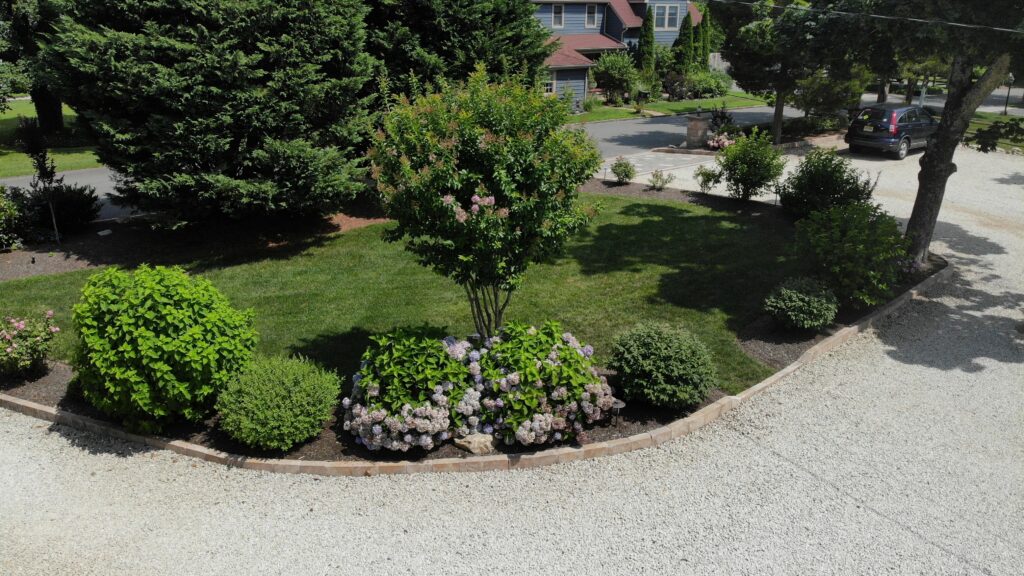
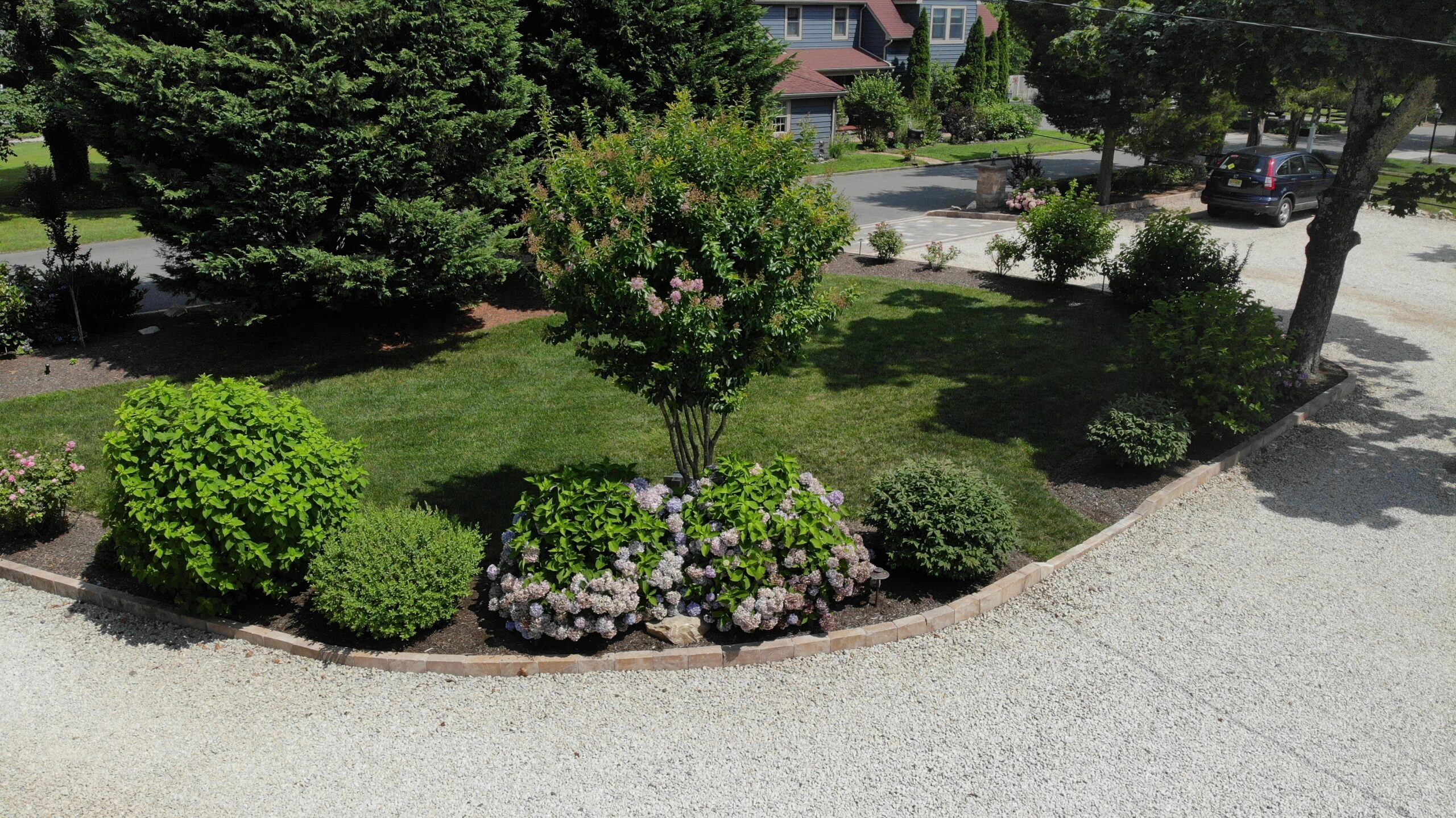
Living along New Jersey’s scenic shoreline offers beauty, relaxation, and ocean breezes—but it also brings unique landscaping challenges. Salt air, sandy soil, strong winds, and coastal storms can quickly damage traditional lawns and gardens.
The good news? With the right coastal landscaping solutions, you can design a yard that’s both beautiful and built to last.
This guide shares practical, locally informed coastal landscaping tips to help you choose the right salt‑tolerant plants, improve drainage, and create a resilient coastal yard design that thrives despite harsh seaside conditions.
1. Choose Salt‑Tolerant Plants for Coastal Conditions
Salt spray and saline soil are constant threats near the coast. These conditions challenge many of the common landscape plants. However, there are some species that are naturally tolerant to salt exposure.
Recommended Salt‑Tolerant Plants
- Beach grass (Ammophila breviligulata): Excellent for stabilizing dunes and preventing erosion.
- Rugosa rose: Hardy shrub that blooms beautifully even in salty air.
- Juniper varieties: Evergreen groundcovers that thrive in sandy, well‑drained soil.
- Bayberry and wax myrtle: Native shrubs that act as natural windbreaks.
- Seaside goldenrod: Adds color and supports pollinators while tolerating salt spray.
When planning your landscape, prioritize native coastal plants—they’re adapted to local conditions, require less maintenance, and support New Jersey’s coastal ecosystem.
2. Improve Soil Quality and Drainage
Coastal soils in New Jersey are typically sandy, which means they drain quickly and lack essential nutrients. To help your plants thrive, focus on improving soil structure and water retention.
Soil Enhancement Tips
- Mix in organic compost or peat moss to boost fertility.
- Add mulch around plant bases to retain moisture and reduce salt buildup.
- Incorporate biochar or topsoil amendments to improve nutrient retention.
Drainage Design Solutions
Proper drainage is also critical. Grade your yard slightly away from your home and install French drains or dry creek beds to manage stormwater runoff effectively.
3. Design with Wind and Salt Protection in Mind
High winds can dry out plants and carry salt spray deep into your yard. A planned coastal yard design includes natural and structural barriers that protect your landscape without blocking ocean views.
Windbreak and Barrier Ideas
- Plant staggered rows of dense shrubs like yaupon holly or pittosporum.
- Use lattice fencing or pergolas to diffuse wind flow.
- Position taller plants or trees on the windward side to shield smaller ones.
Additional Design Tips
These design elements not only reduce wind damage but also add privacy and definition to your outdoor space.
4. Use Durable, Coastal‑Grade Hardscaping Materials
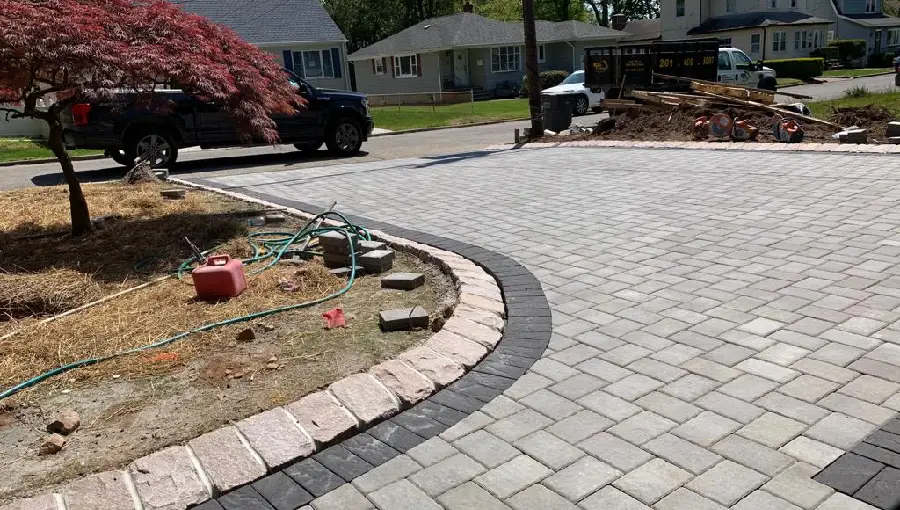
Outdoor features like patios, walkways, and retaining walls must withstand salt, moisture, and shifting sand. Choose materials that are both durable and visually appealing.
Best Hardscaping Choices
- Concrete or natural stone pavers for patios and driveways.
- Composite decking for long‑lasting outdoor living areas.
- Marine‑grade stainless steel or powder‑coated aluminum for fixtures and lighting.
Material Maintenance Tips
Avoid raw wood and cheap metals that rust quickly in coastal conditions. By partnering with local experts, you can be sure your design will use materials proven to last in the Jersey Shore climate.
5. Prevent Erosion and Flooding
Erosion is one of the biggest threats to coastal properties. To protect your yard, use landscaping features that stabilize soil and manage stormwater naturally.
Erosion Control Tips
- Plant groundcovers like creeping juniper or beach heather to hold soil in place.
- Install retaining walls or terraced beds on slopes.
- Use permeable pavers to reduce runoff and allow rainwater to soak into the ground.
Flood Prevention Strategies
These features not only prevent washouts but also enhance the overall design and functionality of your yard.
6. Maintain and Prepare for Storm Season
Even the most resilient landscape needs regular upkeep. After storms, rinse plants with fresh water to remove salt, prune damaged branches, and check drainage systems for clogs.
Quick Storm Prep Checklist
- Secure outdoor furniture and décor.
- Trim overhanging branches near your home.
- Inspect irrigation and lighting systems for corrosion.
Ongoing Maintenance Tips
Routine maintenance ensures your yard stays healthy and ready to withstand whatever the next nor’easter brings.
Build a Beautiful, Resilient Coastal Yard
A well‑planned coastal landscaping design blends beauty with durability.
By planting salt-tolerant vegetation, improving the health of your soil, and using materials that can withstand storms, you can enjoy a beautiful outdoor space year-round. The space will complement the natural beauty of the Jersey Shore and stand up to the elements.
Ready to transform your coastal property? Call us today to schedule a consultation and bring your dream coastal landscape to life.