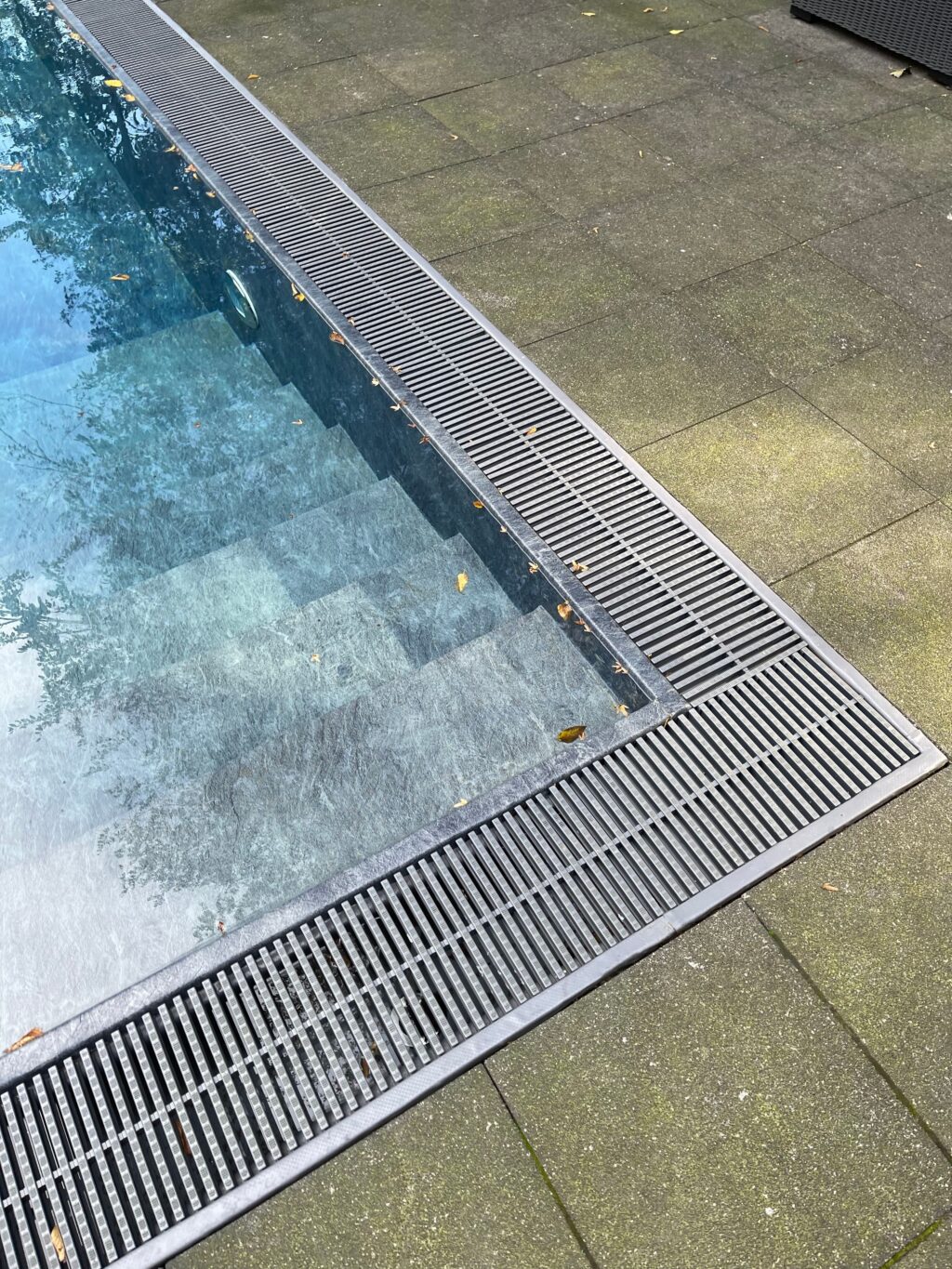
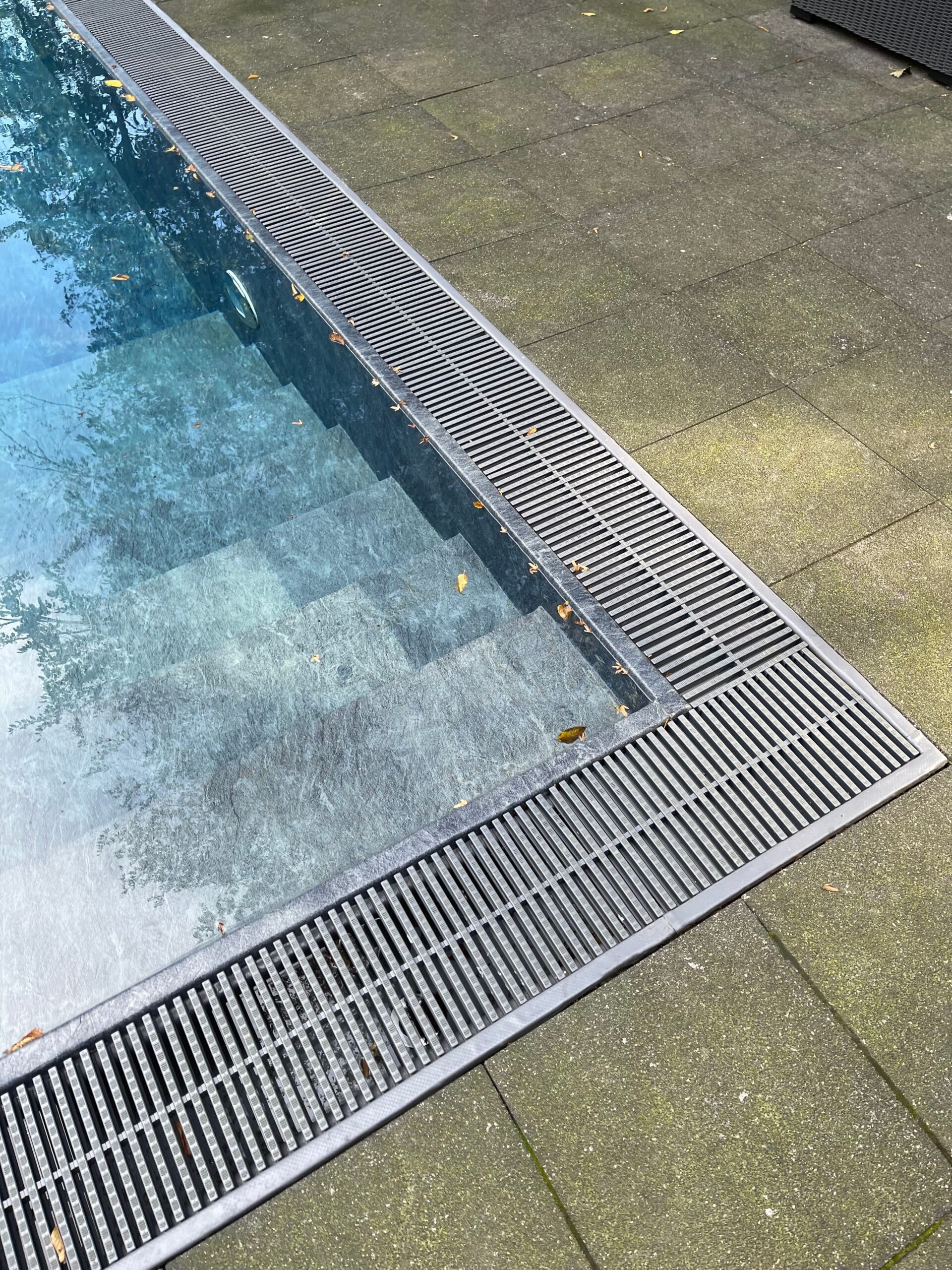
If you are investing in a new backyard project, pool patio drainage planning should be one of the first things discussed, not one of the last.
Homeowners often focus on paver colors, pool shape, lighting, and finishes, but drainage is what protects the entire investment after the build is complete.
Without a proper plan, even a beautiful new patio or pool area can end up with standing water, shifting pavers, muddy lawn edges, or runoff moving too close to the home.
In Ocean County and across the Jersey Shore, drainage matters even more because properties often deal with coastal storms, sandy soil conditions, flat lots, and seasonal heavy rain. A well-designed backyard should not just look polished on day one. It should also manage water correctly for years to come.
At Jersey Shore Pavers, drainage is treated as a core part of hardscaping design and installation, not an afterthought.
When a pool, patio, or outdoor surface is planned the right way from the start, homeowners can avoid expensive corrections later and enjoy an outdoor space that performs as well as it looks.
Why Drainage Planning Matters Before Construction Starts
A pool or patio changes how water moves across your property. Once new hard surfaces are added, rainwater can no longer soak into the ground the same way it did before. Instead, that water has to go somewhere.
If there is no clear drainage strategy, a backyard project can create problems such as:
- Water pooling on the patio surface
- Runoff flowing toward the house or foundation
- Soil erosion around the pool area
- Soggy lawn sections near hardscaping
- Paver settling or shifting over time
- Damage to landscape beds or mulch washout
This is why how to plan drainage before building a pool or patio is such an important question for homeowners. Drainage affects durability, safety, maintenance, and long-term project value.
What Good Pool Drainage Planning and Patio Drainage Planning Include
Strong pool drainage planning and patio drainage planning are about much more than adding a drain somewhere in the yard. A complete plan looks at the entire property and how each part of the project works together.
1. Understanding the Existing Grade
The first step is evaluating the slope of the yard. Even a lot that appears flat usually has subtle grade changes that influence how water travels. Before a pool or patio is built, the contractor should identify:
- High and low points on the property
- Where water currently collects
- How runoff moves during heavy rain
- Whether water is already draining toward the house, garage, or neighboring lots
This early assessment helps prevent one of the most common mistakes in backyard construction: building a beautiful new surface over an existing water problem.
2. Designing Surface Pitch the Right Way
Patios and pool surrounds should never be perfectly level. They need a controlled pitch so water drains away from the home and away from areas where puddling could occur.
Proper pitch helps:
- Move water off paver and patio surfaces efficiently
- Reduce slip hazards around the pool
- Prevent standing water from staining or weakening materials
- Protect adjoining lawn and planting areas from oversaturation
The goal is not a noticeable slope that feels awkward to walk on. It is a subtle, engineered grade that performs quietly in the background.
3. Planning Drain Placement Early
Drainage elements need to be designed into the layout before installation begins. Depending on the property, that may include:
- Channel drains near pool decks or patios
- Catch basins in low spots
- Downspout tie-ins
- Underground drainage piping
- Swales or grading transitions
- Permeable edge areas to help disperse runoff
If drains are added only after water problems show up, the fixes are often more disruptive and more expensive. This is especially important when the drainage plan needs to work alongside a future in-ground pool installation or broader backyard build.
Common Drainage Problems Homeowners Miss
Many homeowners do not realize a drainage issue is developing until after the project is finished. By then, symptoms start to show up in ways that seem unrelated at first.
Warning signs include:
- Water sitting on pavers long after rain stops
- Mushy grass between the patio and fence line
- Mulch or decorative stone washing out
- Water collecting near steps or seating walls
- Pool splash-out combining with rainfall and creating muddy edges
- Small dips forming in sections of the patio
These issues usually point back to inadequate grading, poor runoff management, or missing collection points. That is why pool patio drainage planning should be part of the design conversation before materials are selected and construction begins.
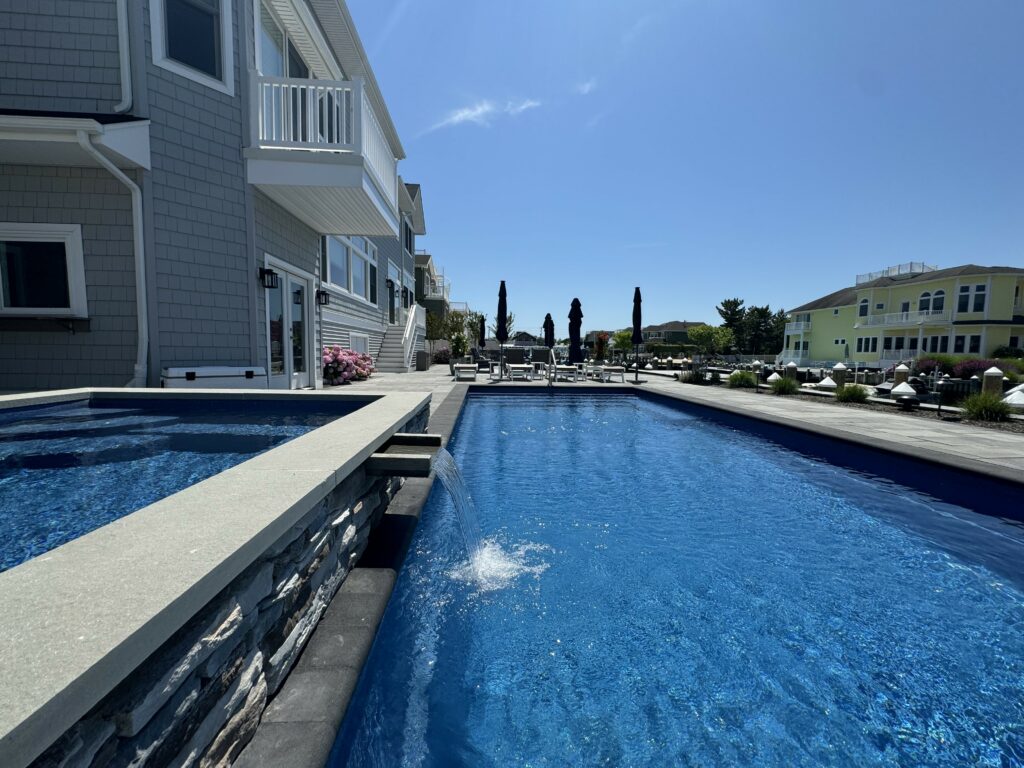
How Coastal New Jersey Conditions Affect Drainage
Drainage planning in Ocean County, New Jersey, is not always the same as drainage planning in other regions. Shore-area properties often have unique site conditions that need special attention.
Sandy Soil Can Be Helpful, but Not Enough
Sandy soil may drain faster than dense clay, but that does not mean every backyard drains well. Water can still pool on compacted areas, move too quickly across hard surfaces, or create washout near the edges of patios and pools.
Heavy Storms Test the Entire Backyard
A design that handles light rain may still fail during a summer downpour or coastal storm. That is why drainage planning should account for both everyday use and high-volume rain events.
Flat Lots Need More Intentional Grading
Many homes in the Jersey Shore area sit on relatively flat properties. Without careful grading, water may not have enough natural momentum to move away from structures and hardscaping.
For broader guidance on protecting outdoor spaces from local conditions, homeowners can review resources from the Rutgers New Jersey Agricultural Experiment Station.
Smart Questions to Ask Before Building a Pool or Patio
If you are meeting with a contractor, ask direct questions about drainage before finalizing the design. Good answers now can save major headaches later.
Ask things like
- Where will water go once the new patio or pool is installed?
- How will the finished surface be pitched?
- Will the plan protect the home’s foundation and nearby lawn areas?
- Are drains, catch basins, or underground lines needed?
- How will existing downspouts or runoff patterns affect the project?
- What happens during a heavy rainstorm?
A contractor who approaches the backyard as one complete system, not just a collection of features, is more likely to deliver a project that holds up over time.
Why Drainage Should Be Part of the Full Backyard Design
The best results happen when drainage is planned alongside the pool, patio, landscaping, lighting, and hardscape layout. When each part is designed in isolation, water problems are easier to overlook.
That is why drainage planning should work hand in hand with landscape design and the broader flow of an outdoor living space.
At Jersey Shore Pavers, the goal is to bring outdoor ideas to life in a way that is both visually strong and structurally sound.
That means considering not only how the finished backyard will look, but also how it will function after rain, through changing seasons, and under real shore conditions.
Start Your Backyard Project With a Smarter Drainage Plan
Drainage is one of the most important parts of any pool or patio project, and it is much easier to address before construction begins than after problems show up. A well-planned backyard should do more than look beautiful on installation day.
It should direct water properly, protect your investment, and hold up through heavy rain, changing seasons, and everyday use.
If you are planning a new pool, patio, or backyard renovation in Ocean County or the Jersey Shore, Jersey Shore Pavers can help you create a space that is designed the right way from the start.
Contact us for a free estimate and get expert guidance on drainage, grading, hardscaping, and outdoor design before the first paver goes down.
Frequently Asked Questions About Pool and Patio Drainage Planning
What is the best way to plan drainage before building a pool or patio?
The best way to plan drainage before building a pool or patio is to evaluate the property’s existing grade, identify where water currently flows, and design the new hardscape so runoff moves away from the home and outdoor living areas.
Proper pool patio drainage planning may include surface pitch, channel drains, catch basins, underground piping, and grading adjustments. In Ocean County, NJ, this step is especially important because flat yards, coastal storms, and changing soil conditions can all affect how water behaves after construction.
Do paver patios and pool decks need drainage?
Yes, paver patios and pool decks need drainage. Even if the surface looks level, it should be installed with a subtle slope so water can drain properly instead of collecting in low spots.
Without proper patio drainage planning or dedicated pool drainage planning, homeowners may end up with puddles, slippery areas, shifting pavers, erosion, or runoff moving toward the house.
Why is drainage so important for pool and patio projects in New Jersey?
Drainage is especially important for pool and patio projects in New Jersey because many properties near the Jersey Shore deal with heavy rain, coastal stormwater, flat terrain, and conditions that can create runoff or pooling around hardscaping.
A well-designed drainage plan helps protect the patio surface, surrounding landscape, pool area, and the foundation of the home.
Can drainage problems be fixed after a pool or patio is installed?
Yes, drainage problems can often be fixed after a pool or patio is installed, but repairs are usually more expensive and more disruptive than addressing drainage during the original design phase. Depending on the issue, the solution may involve regrading parts of the yard, adding channel drains or catch basins, adjusting paver elevations, or installing underground drainage lines.