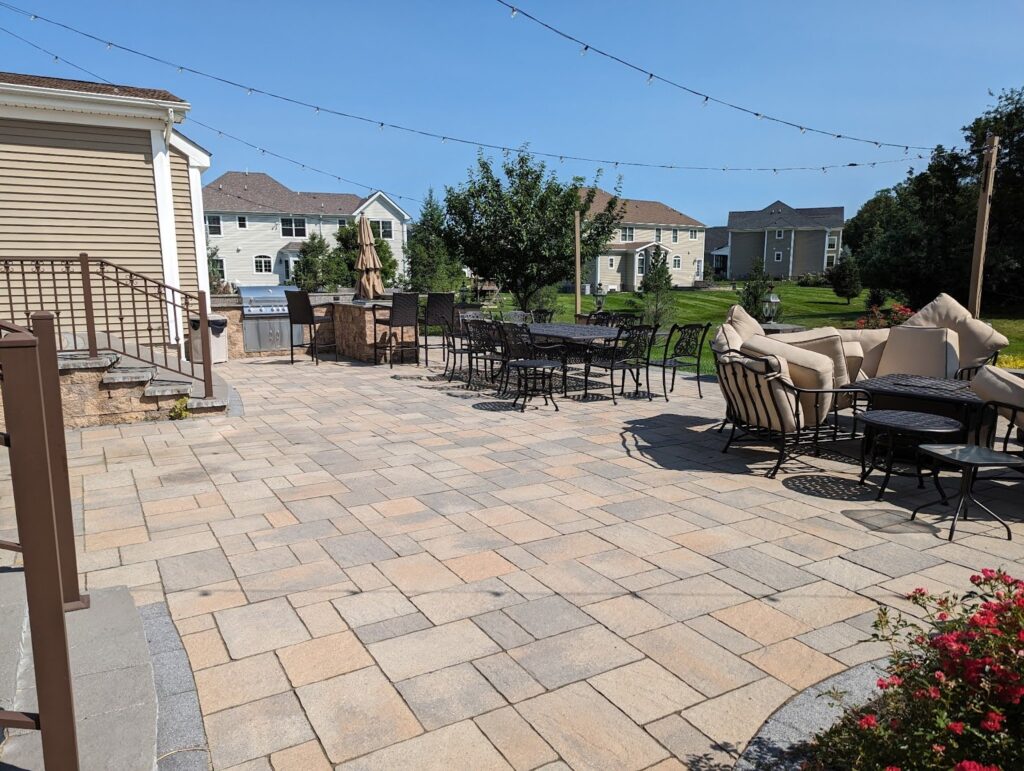
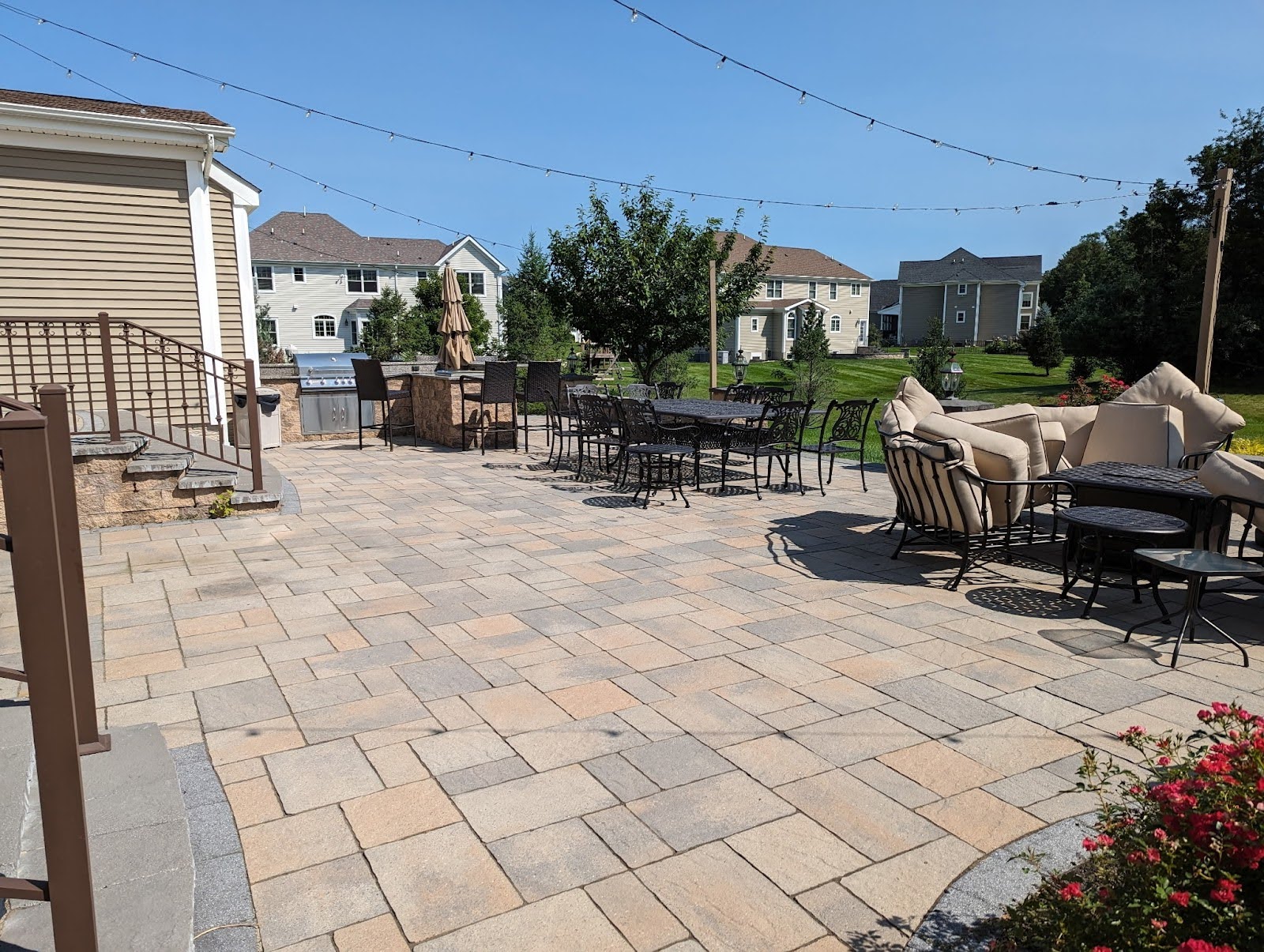
Adding a patio is one of the best ways to extend your living space outdoors—but before you start digging or laying pavers, it’s crucial to understand whether your project requires a permit.
In New Jersey, patio permit requirements vary by municipality, and skipping this step could result in fines, delays, or even the removal of completed work.
Here’s what homeowners should know about patio permits and how to stay compliant with state and local regulations.
Understanding New Jersey’s Permit Rules for Outdoor Projects
In most parts of New Jersey, patios are considered part of your property’s permanent hardscaping. That means local building departments often regulate them under New Jersey’s Uniform Construction Code (UCC).
Generally, a permit is not required for a ground-level patio made of pavers, concrete, or stone if:
- It does not include any structural support (like walls or roofing).
- It is built on grades (flush with the ground).
- It does not affect drainage, utilities, or property boundaries.
However, once your patio includes elevated surfaces, retaining walls, permanent roofs, or electrical or plumbing work, it almost always triggers permit requirements.
For example:
- A raised deck or elevated patio requires a building permit.
- A covered patio (even with a simple pergola or roof) may need both zoning and construction permits.
- Built-in fire pits, outdoor kitchens, or lighting may require electrical or plumbing permits.
Each municipality interprets the state code slightly differently, which is why it’s always smart to check with your local building department before starting.

When a Patio Permit Is—and Isn’t—Required in New Jersey
You don’t need a permit for small, non-structural patios that sit directly on the ground, but you do need one for any structure that changes your property’s footprint or stability.
No Permit Typically Needed For:
- Ground-level paver or concrete patios under a certain square footage
- Temporary or movable patio features (e.g., freestanding furniture, umbrellas)
- Minor landscaping or edging
Permit Required For:
- Elevated or multi-level patios
- Any patio attached to the home’s foundation
- Retaining walls over 24 inches high
- Built-in seating, kitchens, or fireplaces
- Work that impacts drainage or grading
If you’re unsure which category your project falls into, don’t assume—call your local construction office. In many New Jersey towns, you’ll need to submit a simple zoning review form or site plan before building.
County and Coastal Considerations
While New Jersey’s statewide construction code provides the foundation, local zoning regulations can add another layer. For example, towns along the Jersey Shore often have FEMA floodplain restrictions, which may require elevation or drainage reviews before you can start construction.
If your property lies within a Homeowners Association (HOA), check for additional approval requirements before applying for a permit. HOA rules sometimes restrict patio size, materials, or location to maintain neighborhood consistency.
What Happens If You Build a Patio Without a Permit?
Skipping the permit process might seem like a shortcut—but it can lead to costly headaches later. Building without a required permit can result in:
- Fines or stop-work orders from your local building department.
- Difficulty selling your home, as unpermitted work can delay closings or fail inspections.
- Forced removal of the patio if it violates zoning or drainage codes.
Even if your patio looks simple, it’s not worth the risk. Permits protect you by ensuring the project meets safety and code standards—especially when it involves weight-bearing structures, electrical components, or drainage modifications.
The Permit Process: What to Expect
Applying for a patio permit in New Jersey is typically straightforward:
1. Consult your local building department—provide details about size, materials, and location.
2. Submit a site plan—show property boundaries, structures, and proposed patio layout.
3. Wait for zoning review—The township checks compliance with setbacks and impervious coverage.
4. Receive your permit—once approved, you can begin work.
5. Schedule inspections (if required)—Some projects require mid-construction or final inspections.
If your project involves multiple components—like electrical work, drainage, or retaining walls—you may need separate permits for each discipline.
Build Your Dream Patio With Jersey Shore Pavers
Dealing with the patio permit requirements in New Jersey doesn’t have to be stressful. Working with an experienced hardscaping professional ensures your project complies with all local codes from start to finish—so you can focus on design, not paperwork.
At Jersey Shore Pavers, we help homeowners across New Jersey design and build beautiful, code-compliant outdoor spaces.
Our team handles everything from permit applications to final inspections, ensuring that your patio is built safely, legally, and beautifully. If you’re ready to begin your project or simply want to confirm whether you require a permit, please contact us today.
Your backyard transformation starts with the right foundation—and that begins with understanding the rules.