
A Greener Way to Enjoy the Jersey Shore
Living near the coast has some amazing perks—breezes, sandy backyards, and gorgeous sunsets—but it also brings unique challenges for homeowners. Salt air, sandy soil, and erratic weather can make traditional landscaping hard to maintain.
That’s why eco‑friendly landscaping is becoming such a smart and sustainable choice for Jersey Shore homeowners. Sustainable design doesn’t just protect the environment—it also helps your yard thrive naturally, reduces maintenance, and keeps your outdoor spaces looking beautiful year‑round.
Here are some practical, achievable ideas for creating a landscape that’s both eco‑conscious and perfectly suited to coastal living.
Choose Native Plants for Coastal Resilience
Best Native Plants for the Jersey Shore
Native plants are the foundation of any sustainable landscape. They’ve adapted to New Jersey’s coastal climate, so they need less water, fewer chemicals, and minimal maintenance.
Consider adding:
- Switchgrass and little bluestem for ornamental texture and erosion control.
- Bayberry or inkberry holly for hardy evergreen structure.
- Black‑eyed Susans and coneflowers for vibrant, pollinator‑friendly color.
Benefits of Native Landscaping
These plants thrive in sandy soil and tolerate salt spray, making them ideal for beach‑area homes. Native plant gardens also attract butterflies, bees, and birds—a natural way to boost biodiversity.
Use Permeable Pavers for Driveways and Patios
What Are Permeable Pavers?
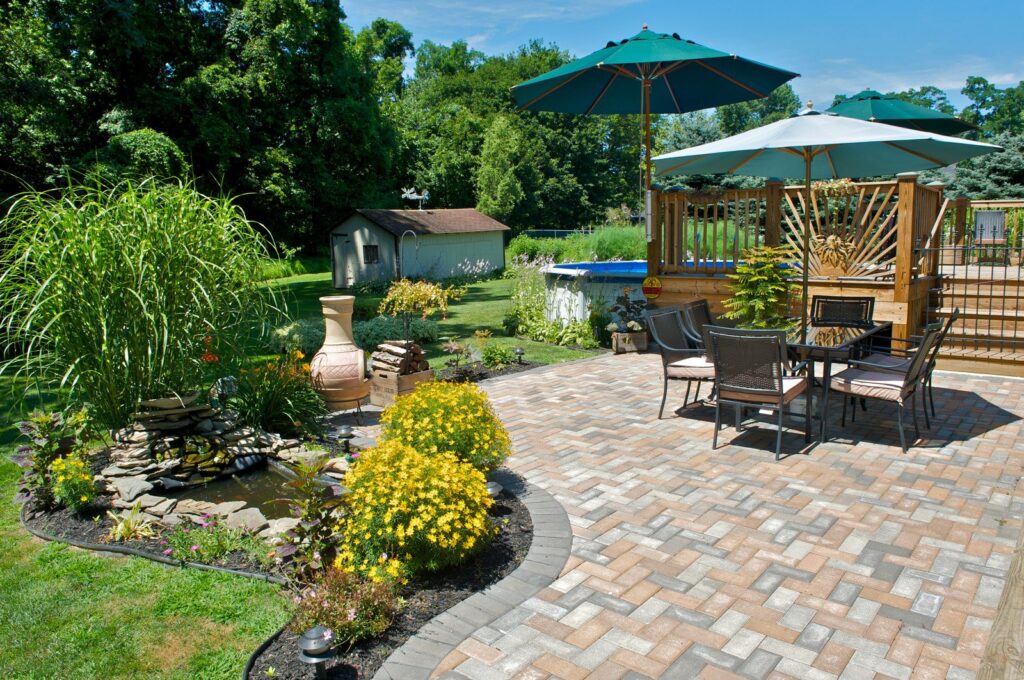
Traditional concrete and asphalt surfaces prevent water from soaking into the ground, resulting in runoff and flooding. Rainwater can filter through permeable pavers, which are made of porous concrete, natural stone, or recycled composites. This replenishes groundwater and reduces erosion.
Why They’re a Smart Choice
They’re also durable and attractive, available in a range of colors and patterns that complement coastal architecture. Whether you’re designing a new patio, walkway, or driveway, permeable pavers are one of the smartest sustainable design choices you can make.
Incorporate Rain Gardens and Smart Drainage
How to Build a Rain Garden
Rain gardens are shallow, planted areas that collect and absorb runoff from roofs or driveways. They help prevent flooding, filter pollutants, and create a beautiful focal point in your yard.
To build one:
- Choose a low‑lying area that naturally collects water.
- Fill it with deep‑rooted native plants like Joe‑Pye weed, blue flag iris, or swamp milkweed.
- Use a mix of sand and compost for better drainage.
Environmental Benefits
This approach not only protects your property but also supports the local ecosystem—a win‑win for both homeowners and the environment.
Reduce Water Waste with Smart Irrigation
Efficient Watering Techniques
Water conservation is a cornerstone of sustainable design. Smart irrigation systems use sensors and timers to deliver water only when your plants need it, saving both water and money.
Simple Tips for Water Efficiency
- Water early in the morning to reduce evaporation.
- Group plants by water needs to avoid overwatering.
- Install drip irrigation instead of sprinklers for targeted watering.
Compost and Mulch for Healthier Soil
Why Composting Matters
Healthy soil is the foundation of any thriving landscape. Composting yard waste and food scraps creates nutrient‑rich material that improves soil structure, retains moisture, and reduces the need for chemical fertilizers.
The Power of Mulch
Add a layer of organic mulch—such as shredded bark or leaf compost—around plants to help regulate soil temperature and suppress weeds. Over time, mulch breaks down and naturally enriches the soil, closing the loop on your sustainable landscape system.
Minimize Chemicals and Support Local Wildlife
Eco‑Safe Alternatives
Eco‑friendly landscaping isn’t just about what you plant—it’s about how you care for it. Reducing chemical fertilizers and pesticides keeps local waterways clean and protects beneficial insects.
Try these alternatives:
- Use natural pest deterrents like neem oil or insecticidal soap.
- Encourage beneficial insects such as ladybugs and lacewings.
- Plant pollinator gardens to support bees, butterflies, and hummingbirds.
Creating a Balanced Ecosystem
Simple changes like these make your yard safer for kids, pets, and wildlife while keeping it lush and vibrant.
Building a Sustainable Shoreline Lifestyle
Creating an eco‑friendly landscape doesn’t have to be complicated or expensive. By choosing native plants, using permeable materials, and making small, sustainable choices, you can design an outdoor space that’s both beautiful and environmentally responsible.
Whether you live year-round on the Jersey Shore or maintain a seasonal property, sustainable landscaping helps you enjoy your home more—with less effort and a lighter footprint on the environment.
Ready to transform your yard into a sustainable coastal retreat?
Explore local resources or consult a professional landscape designer who understands the unique needs of Jersey Shore properties.


