
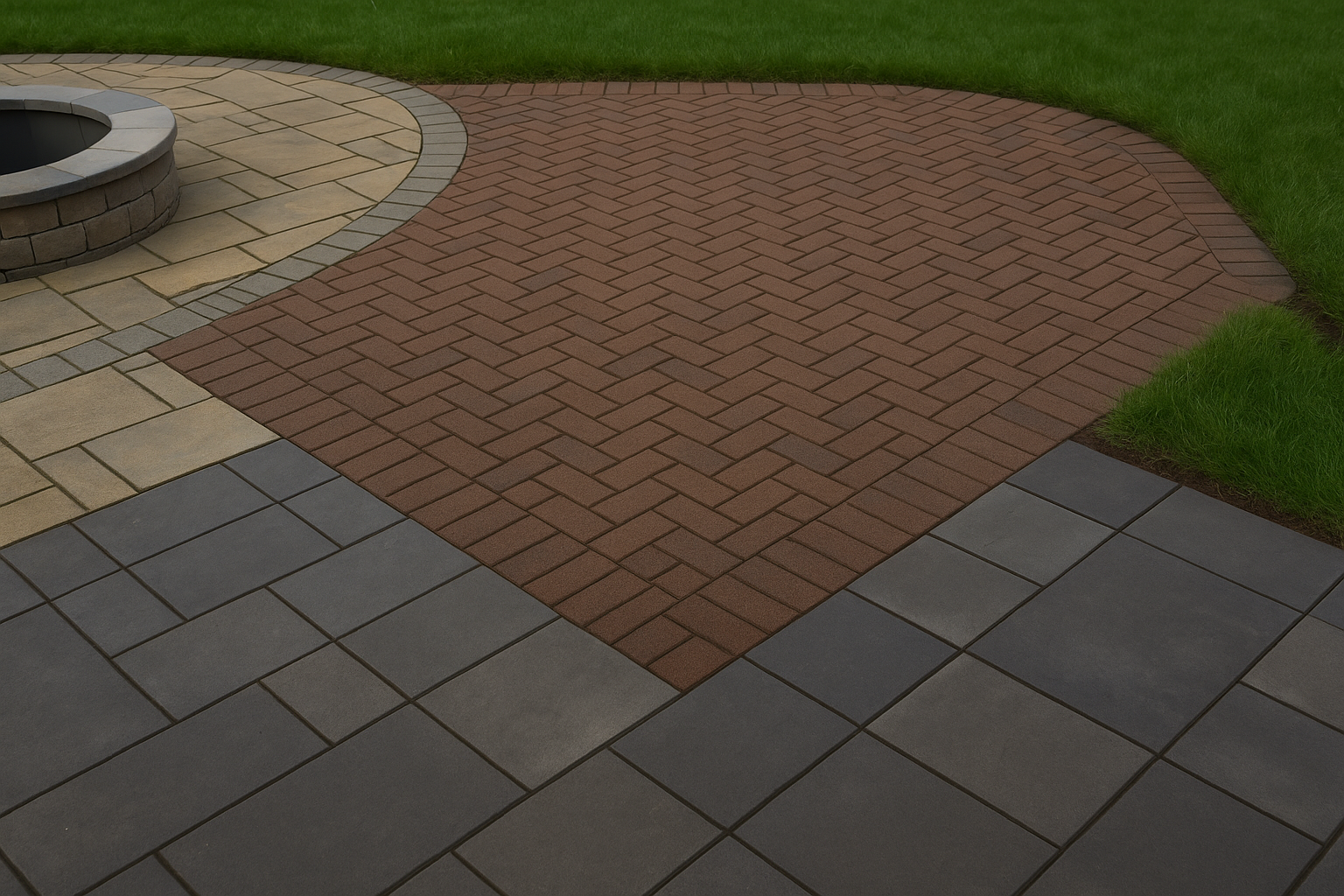
A Homeowner’s Guide to the Lifespan of a Paver Patio in Coastal New Jersey

When you invest in a paver patio for your home, you’re not just creating an outdoor space—you’re building an extension of your lifestyle.
Whether it’s a backyard retreat for family gatherings or a coastal-inspired entertainment area, homeowners naturally want to know, “How long will my paver patio last in coastal New Jersey’s unique coastal climate?”
The answer depends on several key factors—materials, installation quality, climate, and maintenance. But with the right approach, a well-built paver patio can last 25 to 50 years or more, even in the demanding weather conditions of Southern Ocean County.
How Long Do Paver Patios Really Last—and What Affects Their Longevity?
On average, concrete or brick paver patios have a functional lifespan of 30–40 years. The most durable options, such as natural stone or premium interlocking concrete pavers, can easily outlast that timeframe if properly maintained.
However, longevity depends heavily on installation quality. A professionally installed base system—made of compacted aggregate and sand—prevents shifting and cracking. Poorly compacted soil or improper drainage leads to early failure, especially in coastal towns like Manahawkin, where sand and salt air can accelerate erosion.
The type of paver also matters:
- Concrete pavers are long-lasting and cost-effective, but they may wear faster in salty air.
- Brick pavers offer timeless style but may chip or shift if the base isn’t properly stabilized.
- Natural stone pavers, like bluestone or travertine, can last a lifetime with proper sealing and care.
How New Jersey’s Climate and Soil Conditions Impact Paver Durability
What makes New Jersey unique is its coastal environment. The region’s sandy soil, salt-laden air, and freeze-thaw cycles create specific challenges that affect a patio’s lifespan.
1. Sandy Soil: While sand offers excellent drainage, it can shift easily without stabilization. A professional installer uses a compacted base layer and polymeric sand to lock pavers in place.
2. Salt Air: The proximity to Barnegat Bay and the Atlantic Ocean results in salt exposure, which can cause premature surface wear on cheaper concrete pavers. Choosing sealed or salt-resistant materials makes a significant difference.
3. Freeze-Thaw Cycles: Manahawkin experiences cold winters and warm summers. Water that seeps into cracks and freezes can cause pavers to heave or separate. Proper drainage design and joint stabilization help prevent this.
4. Stormwater and Flooding: Coastal storms and heavy rain can cause erosion around the patio’s edges if not properly graded. A well-designed base system with edge restraints ensures long-term stability.
When you combine these environmental factors, it’s clear that local expertise is crucial. A patio that might last 25 years inland could last 40 or more when designed specifically for Manahawkin’s coastal conditions.
The Most Common Reasons Paver Patios Don’t Last
Even the best materials can fail if installation or maintenance is overlooked. These are some of the most common reasons why paver patios break down too soon:
- Improper Base Preparation: Skipping compaction or using the wrong base material allows pavers to sink or shift.
- Poor Drainage Design: Standing water is a patio’s enemy. Without proper slope or drainage, moisture can weaken the foundation.
- Lack of Edge Restraints: Without solid edging, pavers gradually spread apart, creating uneven surfaces.
- Skipping Sealing and Joint Sand Maintenance: Over time, wind and rain wash away joint sand, allowing weeds and insects to invade.
- Heavy Loads or Misuse: Using thin pavers in a driveway or placing heavy structures without reinforcement can reduce longevity.
Working with an experienced hardscaping contractor who understands local soil conditions and drainage patterns is the best way to avoid these issues.
How to Take Care of Your Paver Patio So It Lasts Longer
The good news? With preventive maintenance, your patio can easily surpass the average lifespan.
Here’s how to keep it in top shape year after year:
- Sweep and rinse regularly to remove sand, salt, and debris.
- Reapply polymeric sand every few years to lock joints and prevent shifting.
- Seal the pavers every 3–5 years, especially concrete or brick varieties, to protect against moisture and salt damage.
- Inspect for settling or drainage issues after heavy storms and make small repairs before they worsen.
- Avoid harsh chemicals—use gentle cleaners designed for paver surfaces.
For coastal homeowners in Manahawkin, Stafford Township, Barnegat, and Long Beach Island, these steps are especially important. Routine care not only preserves your patio’s appearance but also ensures it withstands decades of coastal weather.
Build a Paver Patio in Manahawkin That’s Built to Last
A paver patio is one of the most rewarding long-term investments you can make in your home—when it’s built the right way. With expert design, proper materials, and care tailored to the local climate, your outdoor space can remain beautiful and functional for generations.
If you’re ready to create a durable, low-maintenance patio that stands up to Manahawkin’s coastal conditions, reach out today. Our team specializes in custom hardscaping across Manahawkin, Stafford Township, Barnegat, and Long Beach Island, with craftsmanship designed to last for decades.
Get your free quote today and start building a paver patio that’s truly made for coastal New Jersey living.


